How to Make Your AI Influencer Look Real (Not AI-Generated)
TL;DR: To make your AI influencer look real, fix the four things that give synthetic faces away — an inconsistent face, plastic skin, broken hands, and over-perfect lighting — and add the human details AI usually skips. The single biggest realism factor is identity consistency: the same recognisable person in every shot. Get that right, and a Desi AI influencer can sit in an Instagram feed next to human creators without standing out.
A realistic AI influencer is the difference between a brand asset people trust and a pile of obviously-fake images they scroll past. Audiences in 2026 have seen enough AI to spot the tells instantly — and the moment they clock "this is AI," engagement dies. The good news: every realism problem has a fix. This guide walks through the giveaways that scream "AI-generated," how to eliminate each one, and the Desi-specific details that make an Indian AI influencer genuinely believable.
Why most AI influencers look fake
Generic image models are trained to produce "pretty," not "real." Left unguided, they create faces that are too symmetric, skin that is too smooth, and scenes that are too perfectly lit — the uncanny look that makes a viewer subconsciously distrust the image. On top of that, most tools change the face slightly every time you generate, so a "person" who looks different in every post never reads as a real individual.
Making your AI influencer look real means working against those defaults on purpose.
The 7 realism tells — and how to fix each
1. An inconsistent face (the #1 giveaway)
If your influencer's face shifts between posts — a different nose here, different eye shape there — followers never form the recognition that makes someone feel real. This is the hardest and most important problem to solve.
Fix: Lock the identity. Use a tool that keeps the same face across every generation rather than re-rolling a new person each time. This is exactly what DesiCMO's identity lock does — one persona, same features, every photo and reel. Without identity consistency, nothing else you do will make the influencer believable.
2. Plastic, poreless skin
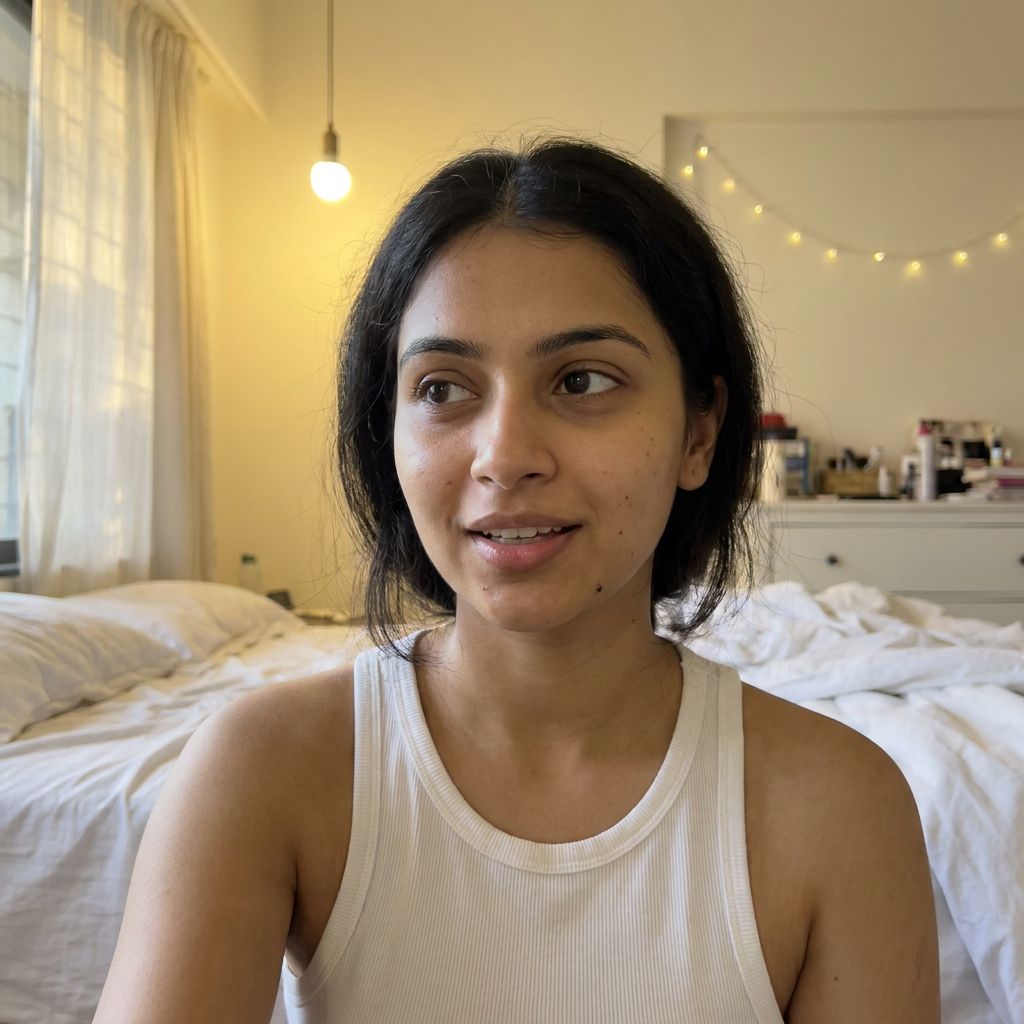
AI loves to airbrush. Flawless, waxy skin with no pores, no texture, and no subtle unevenness instantly reads as synthetic — especially in close-up selfies.
Fix: Prompt for natural skin texture, visible pores, faint blemishes, and real lighting. A little imperfection is what makes skin look human. For Indian personas, accurate skin tone matters too — generic tools often wash out or lighten Desi skin, which is an immediate tell to Indian audiences.
3. Broken hands and warped details
Extra fingers, fused knuckles, melted jewellery, and garbled background text are classic AI failures the eye catches fast.
Fix: Favour compositions where hands are relaxed or partially out of frame, regenerate when hands look off, and avoid busy scenes with lots of fine detail the model can mangle. Review every image at full size before posting — one warped hand undoes an otherwise perfect shot.
4. Over-perfect, studio-flat lighting
Real phone photos have directional light, soft shadows, and slight imperfections. AI defaults to even, shadowless "studio" lighting that feels staged.
Fix: Prompt for natural light — golden-hour window light, a slightly overcast day, indoor lamps. Candid lighting beats perfect lighting for realism every time.
5. Generic, placeless backgrounds
A beautiful face in a vague, anonymous setting feels like a stock render. Real people are somewhere specific.
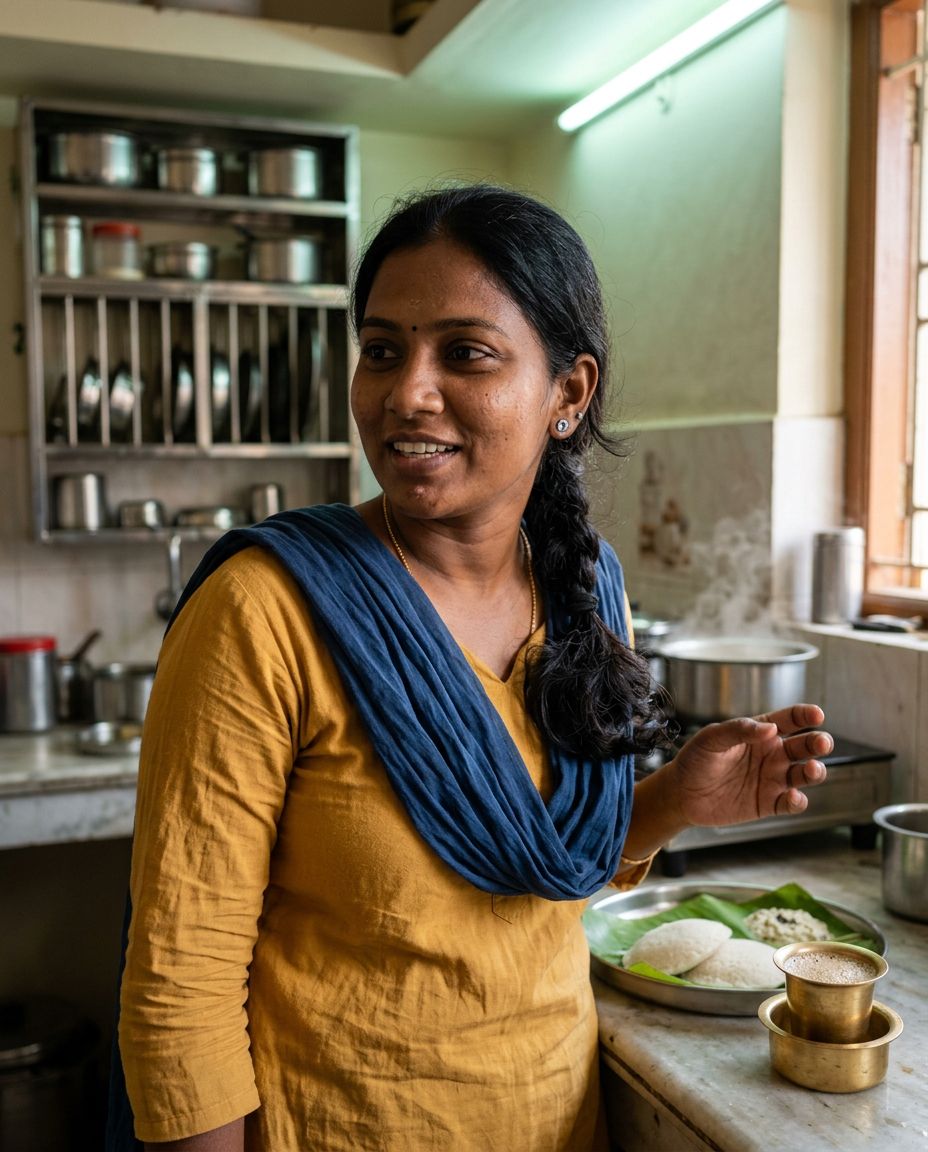
Fix: Ground your influencer in real, recognisable Indian locations — a Bandra café, a Jaipur courtyard, a Kerala backwater, a Delhi metro platform. Specific Desi backdrops do more for believability than any face tweak, because they place your persona in a real world.
6. Robotic, symmetrical posing
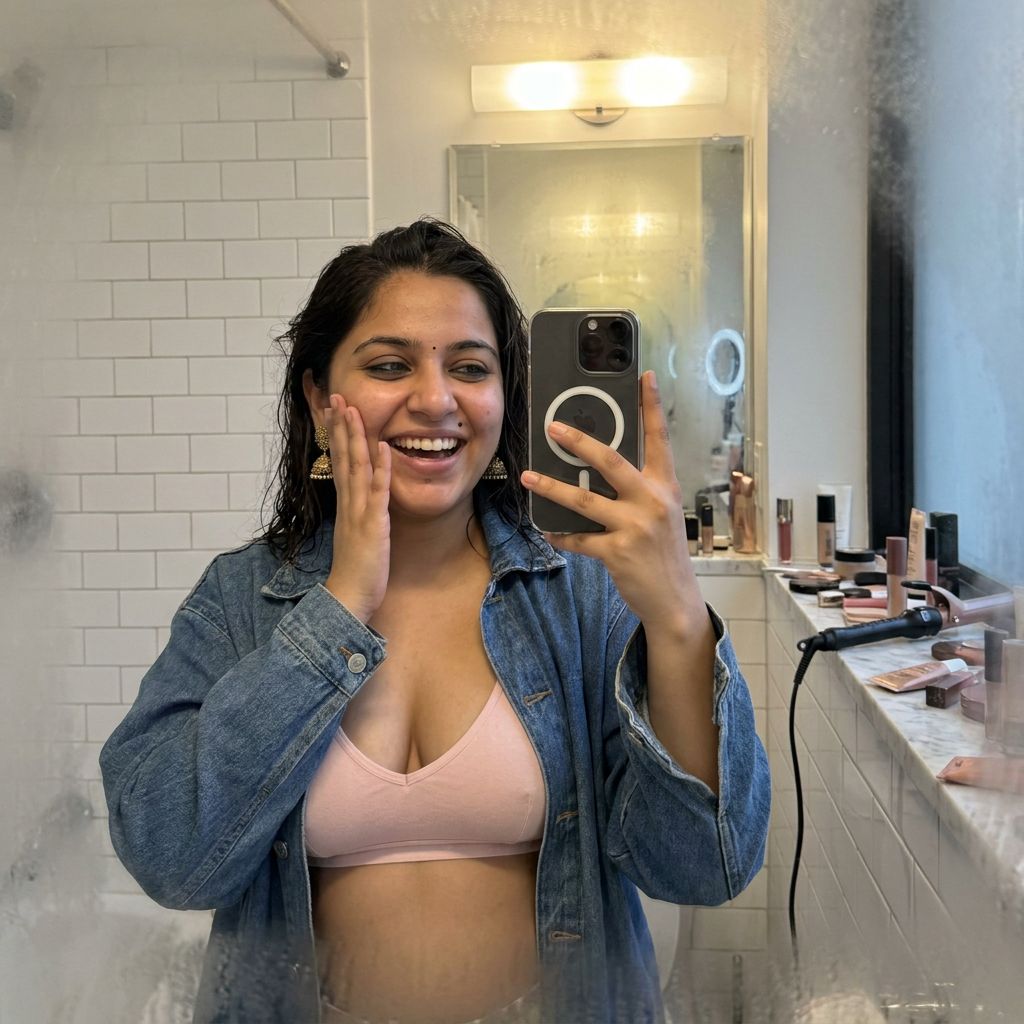
Perfectly centred, perfectly posed shots look like catalogue renders. Humans slouch, glance away, laugh mid-sentence.
Fix: Generate candid moments — caught-mid-laugh, looking off-camera, adjusting a dupatta, holding a chai. Imperfect, in-motion poses read as real life.
7. Non-Desi styling on a "Desi" influencer
For an Indian AI influencer, wrong styling is a subtle but fatal tell: a saree draped incorrectly, mehendi that looks painted on, jewellery that no real person would pair that way.
Fix: Use authentic Indian fashion references and let a Desi-tuned tool handle the cultural details. Authenticity in styling is what separates a convincing Desi influencer from an obviously generic one wearing "Indian-ish" clothes.
The realism checklist
Before you post any image, run this quick check:
- Is it the same face as your other posts?
- Does the skin have natural texture (not plastic)?
- Are the hands and jewellery clean?
- Is the lighting directional and natural?
- Is the location specific and real?
- Is the pose candid, not catalogue-stiff?
- Is the styling authentically Desi?
If all seven pass, you have a realistic AI influencer. If one fails, regenerate — it only takes one tell to break the illusion.
Why identity consistency matters most
You can nail skin, lighting, and styling on a single image and still fail as an influencer — because an influencer is not one image, it's a recognisable person across hundreds of them. Followers need to see the same face in a GRWM reel, a café candid, and a festival post and instantly know it's "her."
That is why purpose-built tools beat raw prompting for this. DesiCMO is built around identity lock: you create one Indian persona and every photo and reel keeps that exact face, tuned for Desi skin tones, fashion, and Hinglish. Generic global tools can make a single pretty image; the hard part — the same believable person, every time — is what DesiCMO solves natively. For more on dialling in your prompts, see our guide to writing prompts for Desi AI influencers.
Start with a face that stays real
Realism is not one trick — it's identity consistency plus a handful of human details: real skin, real light, real places, real Desi styling. Get the face locked first, then layer the rest, and your AI influencer will read as a person, not a render.
You can build an identity-locked, photoreal Indian AI influencer with DesiCMO today — see plans. Starter is $49/month, with 20% off annual.
Frequently Asked Questions
How do I make my AI influencer look realistic?
Lock the identity so the same face appears in every post, then add human details: natural skin texture, directional lighting, specific real-world locations, candid poses, and authentic styling. The most important factor is consistency — a recognisable, repeated face is what makes an AI influencer believable.
Why does my AI influencer look fake?
The most common reasons are an inconsistent face (a different person each generation), plastic poreless skin, warped hands, and over-perfect studio lighting. Each is fixable: use identity locking, prompt for natural skin and light, and review images at full size before posting.
Are AI influencers obvious to spot?
Poorly made ones are — through inconsistent faces, broken hands, and uncanny perfection. Well-made ones using identity-locked, photoreal tools are very hard to distinguish from human creators, which is why brands now use them confidently.
Can AI influencers look Indian and realistic?
Yes, but only with India-tuned tools. Generic models often get Desi skin tones, ethnic wear, and styling wrong. A Desi-first generator like DesiCMO renders accurate Indian features, fashion, and festival context, which is essential for a believable Indian AI influencer.
Ready to spin up your own Desi AI influencer?
Pick a base still, lock the identity, and ship your first Reel this evening.
Open DesiCMO Studio →