Indian AI Influencer Models: What They Are & Why Brands Use Them
TL;DR: Indian AI influencer models are computer-generated virtual personas designed to look and feel authentically Desi, from skin tone and ethnic wear to festivals and Hinglish captions. Brands use them because they offer photoreal content at a fraction of agency costs, with full creative control and a face that stays consistent across every post. This guide explains what they are, how they differ from generic Western AI models, real examples, and how to create one.
What Are Indian AI Influencer Models?
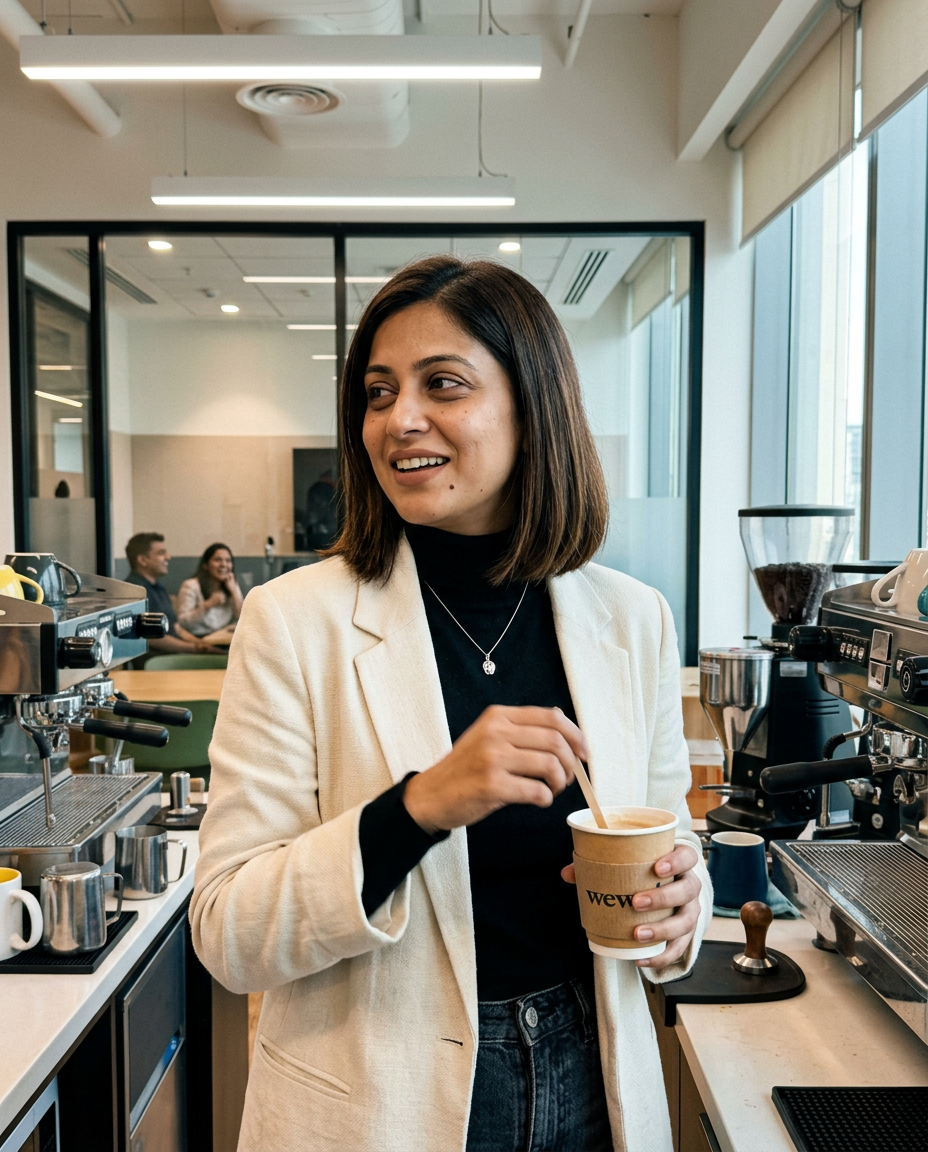
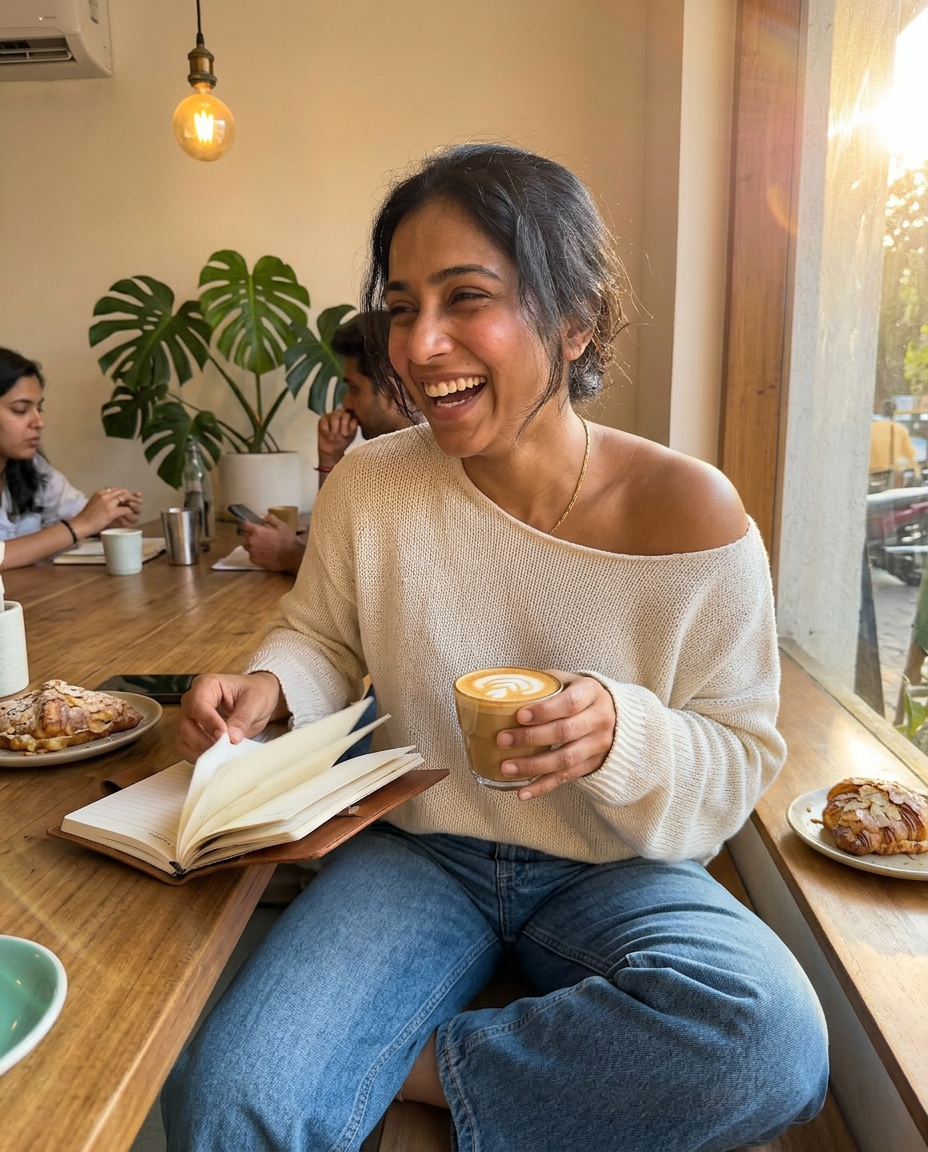
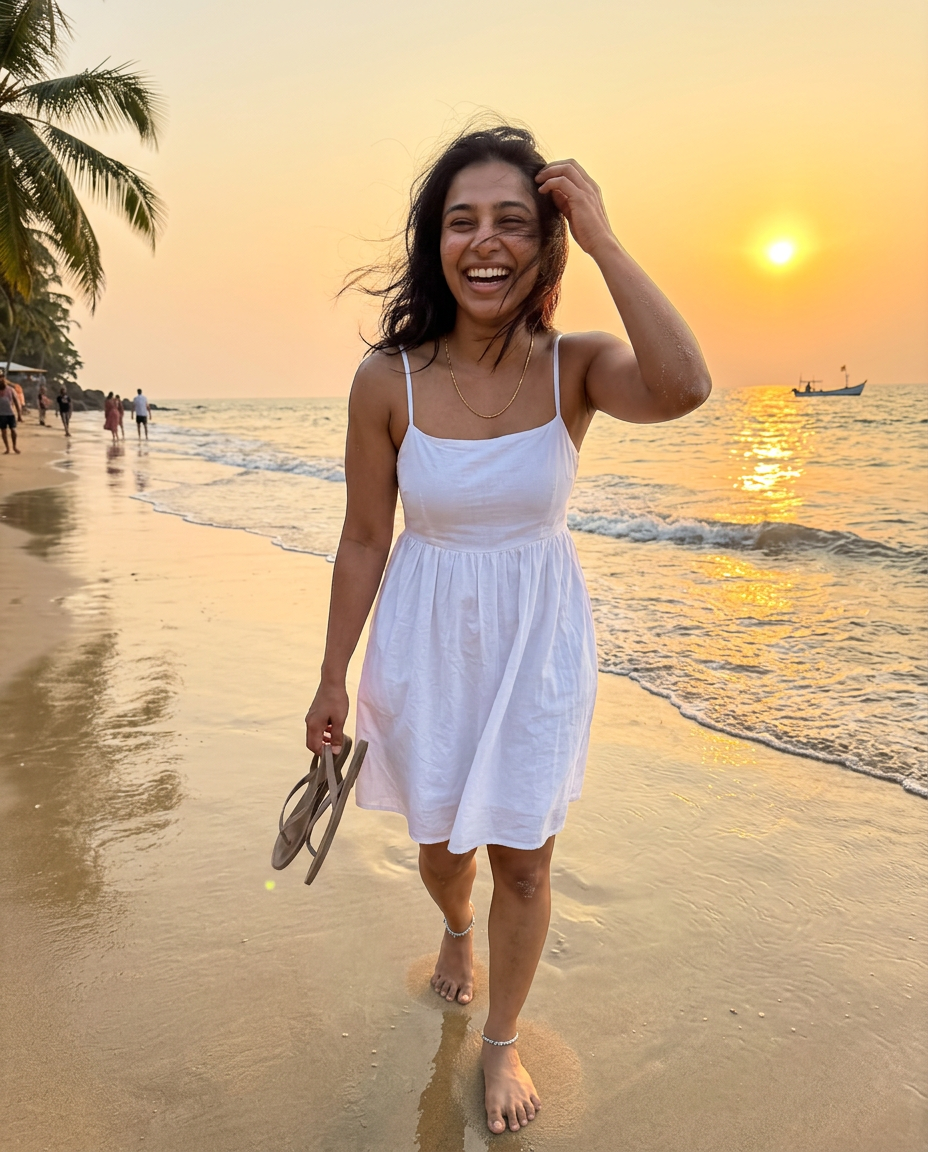
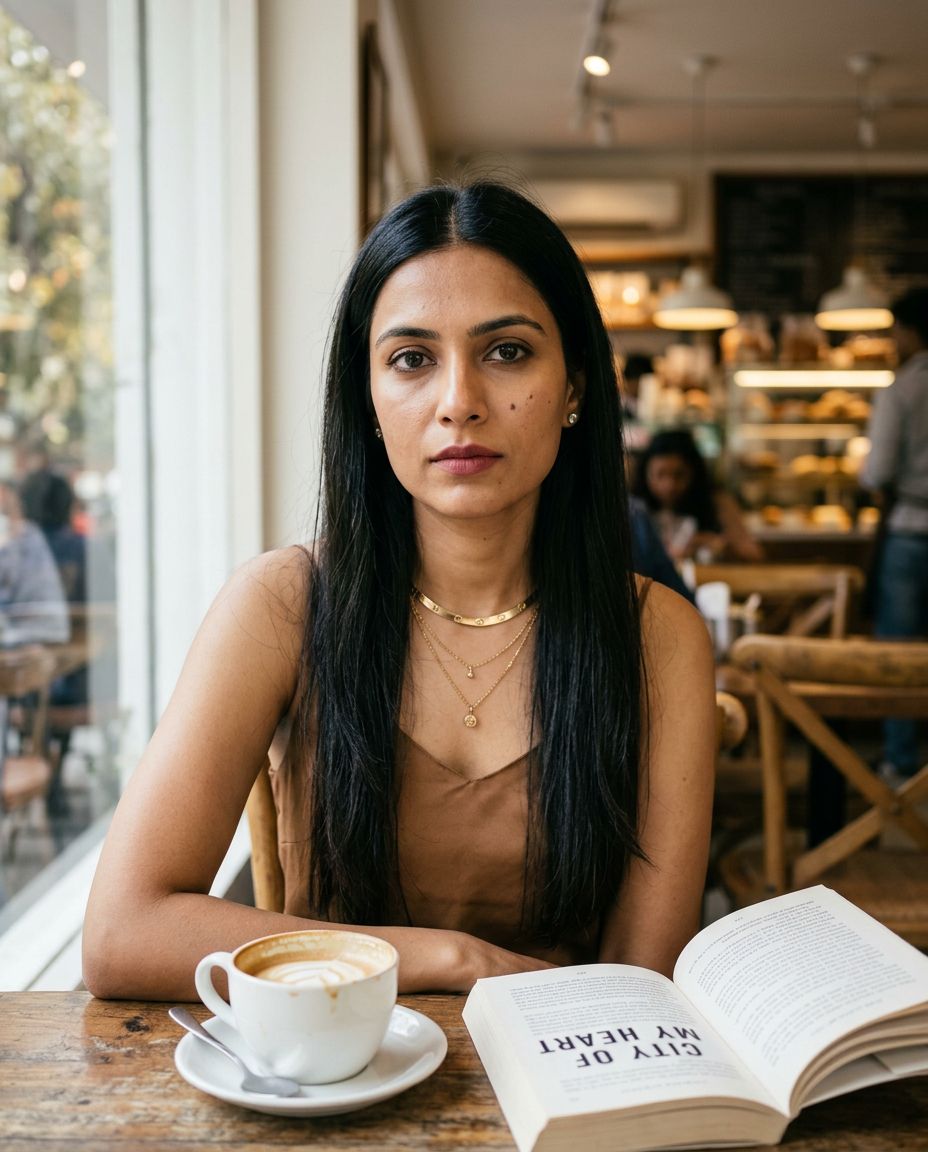
Indian AI influencer models are fully digital personas, generated and animated by AI, that represent Indian and Desi diaspora identities. They are not real people. Instead, an AI system builds a consistent face, body, wardrobe, and personality, then produces photoreal images and short videos of that persona on demand. Think of them as virtual brand ambassadors who can model a saree on Monday, demo a skincare serum on Tuesday, and shoot a Diwali campaign on Wednesday, all without a studio booking.
What separates these from any other AI avatar is the cultural grounding. A well-built Indian AI influencer model gets the details right: the warmth of South Asian skin tones, the drape of a Banarasi saree, the way a kurta sits, the rhythm of a Hinglish caption. These are the things generic AI models India-focused or not consistently fumble.
Closely related to Indian AI models more broadly, these personas sit at the intersection of generative imagery, identity locking, and social automation. The result is a virtual creator that brands can deploy across Instagram and YouTube the same way they would a human influencer, but with more predictability.
How They Differ From Generic and Western AI Models
Most off-the-shelf AI image tools were trained on Western-skewed datasets. Ask them for a "fashion model" and you tend to get lighter skin, Western silhouettes, and styling that feels imported. For an Indian brand, that mismatch is fatal to trust. Indian AI influencer models close that gap in four concrete ways.
Skin Tone Accuracy
Indian skin spans a wide, beautiful range, from fair Kashmiri tones to deep South Indian complexions, often with warm undertones that cheap AI flattens or whitewashes. Purpose-built Indian AI models render these tones faithfully, so a Chennai audience sees themselves reflected and a Punjab audience does too.
Ethnic Wear That Actually Fits
A saree pallu, a lehenga's flare, the structure of a sherwani, the fall of a salwar: these are hard for general models that have barely seen them. Desi-first systems understand the garments, so the clothing reads as real rather than as a costume draped on a Western frame.
Festivals and Cultural Moments
Diwali, Holi, Eid, Onam, Karva Chauth, Raksha Bandhan, the wedding season. Indian buying behaviour clusters around these moments. AI models India brands can actually use need to produce campaign-ready content for each, with the right colours, props, and mood.
Hinglish and Regional Voice
Captions and Reels in pure formal English feel distant to most Indian audiences. The sweet spot is Hinglish, the natural code-switch between Hindi and English that real creators use. Indian AI influencer models that script and voice content in Hinglish (or Tamil, Telugu, Bengali, and other regional flavours) land far more naturally than a translated Western template.
Real Examples of Indian AI Influencers
This is not a hypothetical category. India already has a growing roster of virtual creators proving the model works:
- Kyra is widely cited as one of India's first virtual influencers, with a large Instagram following and brand collaborations.
- Naina Avtr built a sizeable audience as a relatable, urban Indian AI persona posting lifestyle and fashion content.
- Vrutika leaned into traditional styling, frequently appearing in sarees, and has been reported to earn meaningful monthly income through brand work.
- Aditi.AI has been described as one of India's first AI fashion models, created specifically to model apparel.
These personas show that audiences will follow, engage with, and buy from virtual Indian creators when the identity feels authentic. They also show the commercial reality: a single consistent virtual face can sustain real brand partnerships over time.
Use Cases: Where Indian AI Models Earn Their Keep
The strongest fit is any business that needs a steady stream of on-brand, human-fronted visuals.
- Fashion and apparel: Showcase new drops on a consistent model across full catalogues without repeated photoshoots. See our deeper guide on AI influencers for Indian fashion brands.
- Beauty and skincare: Demonstrate products on accurate Indian skin tones, the audience your buyers actually identify with.
- Jewellery: Display sets on a model in coordinated ethnic looks, ideal for the festive and wedding seasons when jewellery demand peaks.
- D2C product catalogues: Generate dozens of lifestyle and studio shots for an entire SKU range, keeping the same face and feel throughout.
- Always-on social: Keep Instagram and YouTube fed with Reels and posts without a content calendar gap.
For service businesses and personal brands, the same persona becomes a recognisable face that builds familiarity post after post.
Why Brands Are Adopting Indian AI Influencer Models
Three forces are pushing adoption, and all three map to real pain in Indian marketing budgets.
Cost. A single professional photoshoot involving a model, photographer, stylist, location, and crew can cost more than a month of AI-generated content. Real human influencer collaborations add their own fees on top. AI models India brands deploy collapse much of that into a predictable subscription.
Control. Human creators have schedules, opinions, and lives. A virtual persona is available on demand, never reschedules, and never posts something off-brand. You decide exactly what it wears, says, and stands for.
Consistency. This is the make-or-break factor. A real influencer's look varies shoot to shoot; an AI model can be identity-locked so the same face appears in every image and every Reel. That consistency is what turns a generator into a believable brand persona rather than a pile of random faces. It is precisely the edge DesiCMO is built around.
There is also a trust and disclosure dimension. The responsible path is to be transparent that a persona is AI-generated, which audiences increasingly accept as long as the content is genuinely useful and the brand is upfront.
How to Create an Indian AI Influencer Model
You do not need a production studio or an AI research team. A purpose-built platform handles the hard parts.
- Define the persona. Decide age, region, style, and personality. A 24-year-old Mumbai fashion creator and a 30-year-old Bengaluru skincare expert need different looks and voices.
- Lock the identity. This is the critical step. The face, features, and overall look must stay fixed so every future image is recognisably the same person. DesiCMO's identity-locked approach is built for exactly this.
- Generate images and Reels. Produce photoreal stills for catalogues and ads, plus short videos with Hinglish or English voiceovers for social.
- Auto-post and iterate. Push content straight to Instagram and YouTube, watch what performs, and refine the persona's content mix.
DesiCMO packages all of this into one workflow. Walk through the full process in our Desi AI influencer generator guide, or jump straight to plans on the pricing page. Plans start at $49/month for Starter and $154/month for the Creator tier, designed for brands and creators who want a consistent Desi persona without studio overhead.
Frequently Asked Questions
What are Indian AI influencer models?
They are fully digital, AI-generated virtual personas designed to authentically represent Indian and Desi identities, including accurate skin tones, ethnic wear, festivals, and Hinglish communication. Brands use them to create photoreal images and short videos without hiring human models or booking studio shoots.
Are AI influencers legal in India?
Using AI-generated personas for marketing is permitted, and the responsible practice is to disclose clearly that content is AI-generated. Brands should also avoid impersonating real people and follow standard advertising and platform guidelines. Transparency builds the audience trust that makes a virtual creator effective.
How is an Indian AI model different from a Western one?
The difference is cultural accuracy. Indian AI models are built to render South Asian skin tones correctly, drape ethnic wear like sarees and lehengas realistically, produce festival-specific campaigns, and communicate in Hinglish or regional languages, all areas where Western-trained tools fall short.
How much does it cost to create an Indian AI influencer?
With a dedicated platform like DesiCMO, it is a subscription rather than a per-shoot expense, starting at $49/month for the Starter plan and $154/month for the Creator plan. That is a fraction of the cost of recurring photoshoots or paid human influencer collaborations.
Ready to Build Your Own?
Indian AI influencer models give brands a culturally accurate, always-available, identity-consistent face for their content, at a cost that finally makes sense. If you want a Desi-first virtual creator that nails skin tones, ethnic wear, festivals, and Hinglish out of the box, explore DesiCMO's plans and create your first identity-locked persona today.
Ready to spin up your own Desi AI influencer?
Pick a base still, lock the identity, and ship your first Reel this evening.
Open DesiCMO Studio →