What Is an AI Influencer? The Complete 2026 Guide

TL;DR: An AI influencer is a computer-generated virtual persona — a fictional digital character with a consistent face, name, and personality — that posts photos and videos on social media just like a human creator, but is built and operated entirely with artificial intelligence. They never age, never miss a shoot, and can publish content around the clock. Below, we explain exactly how they work, the real-world examples making money today, and how you can create your own.
What Is an AI Influencer?
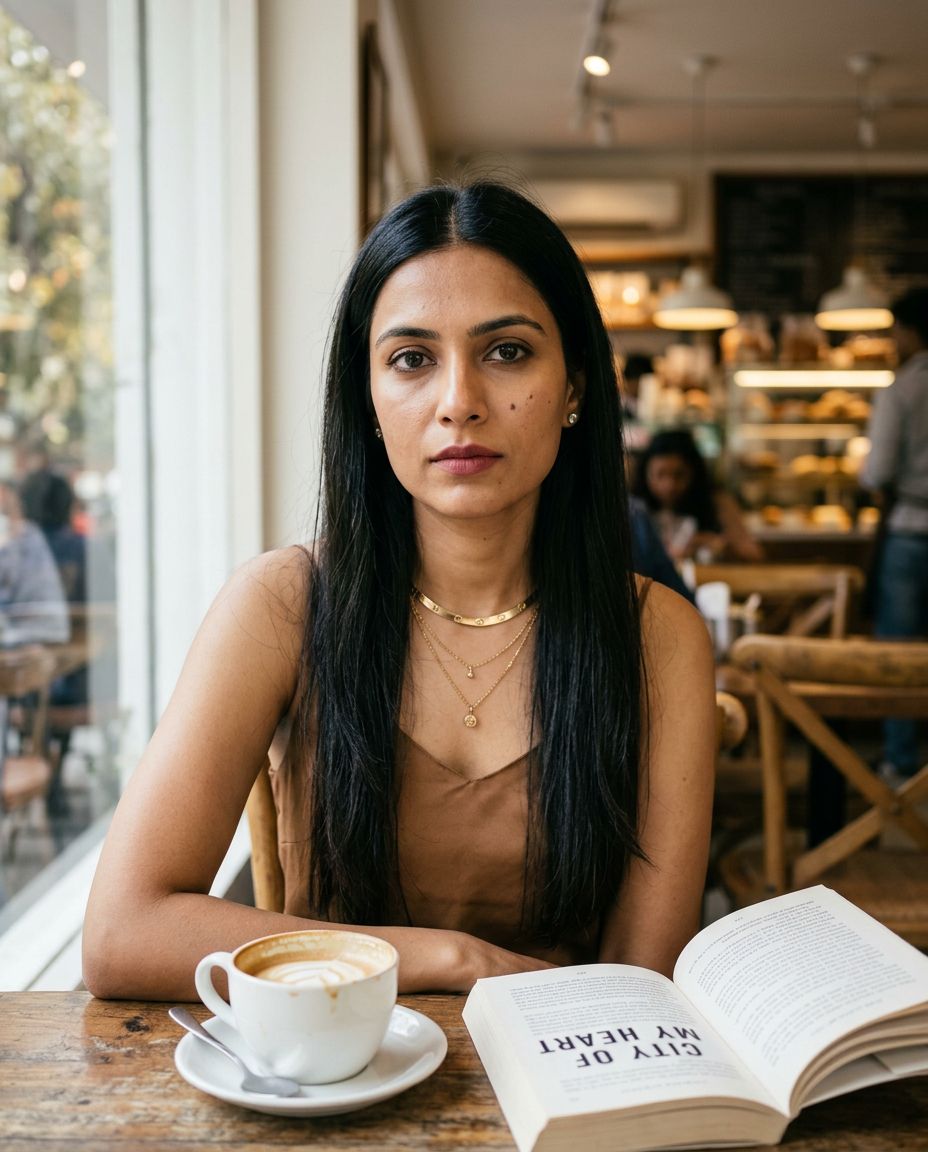
An AI influencer is a fully digital, AI-generated personality designed to look and behave like a real human content creator across Instagram, YouTube, and other platforms. Unlike a brand mascot or a one-off graphic, an AI influencer maintains a stable identity: the same face, body, voice, name, and "lifestyle" appear consistently across hundreds of posts, so followers experience a coherent, believable person they can relate to and follow.
The defining trait is identity consistency. A random AI-generated portrait is just an image. An AI influencer is a character — say, a 24-year-old Mumbai foodie named Ananya — whose appearance stays locked from one Reel to the next, whose captions sound like her, and whose feed tells an ongoing story. That continuity is what turns pixels into a personality people actually engage with.
How Do AI Influencers Work?
AI influencers are built on a stack of generative AI tools working together. Here is the workflow in plain terms.
1. Identity creation
First, a creator defines the persona: name, age, hometown, style, profession, and personality. Then an image model generates a reference "face" that becomes the locked identity. Everything generated afterward must match this anchor.
2. Identity-consistent image generation
This is the hard part. Generating one good portrait is easy; generating the same person in a café today, on a Goa beach tomorrow, and at a Diwali party next week is the real challenge. Modern AI influencer platforms use identity-locking techniques so the character's facial features, skin tone, and proportions stay photorealistic and recognizable across every scene, outfit, and lighting condition.
3. Video and Reels generation
Static photos are only half the game. Short-form video drives reach today, so AI video models animate the persona into talking Reels, lifestyle clips, and product demos. For Indian audiences this often means Hinglish or regional-language scripts paired with natural-looking lip-sync and motion.
4. Captions, voice, and scheduling
A consistent voice — both literal audio and written tone — ties it all together. The final layer is publishing: many tools auto-post to Instagram and YouTube on a content calendar, so the influencer stays active without a human manually uploading each day.
When these layers click, you get a virtual creator that looks human, posts daily, and never needs a flight, a studio, or a day off.
AI Influencer vs Virtual Influencer vs Avatar
These three terms get used interchangeably, but they are not the same thing. Here is how to tell them apart.
- AI influencer: A virtual persona whose content is generated by AI — images, video, and often captions. The emphasis is on the AI generation pipeline doing the creative work. "AI influencer" and "virtual influencer" are frequently treated as synonyms today.
- Virtual influencer: The broader, older umbrella term for any computer-generated character with a social media presence. Some early virtual influencers were built by 3D-animation studios frame-by-frame, long before generative AI existed. Every AI influencer is a virtual influencer, but not every virtual influencer was made with AI.
- Avatar: Usually a digital stand-in for a real person — your face mapped onto a video, a game character, or a VTuber rig. An avatar represents someone who exists; an AI influencer is the character, with no human "behind the mask" in the traditional sense.
In short: an avatar is a costume for a real person, a virtual influencer is the category, and an AI influencer is the modern, generative-AI-powered version of that category.
Real Examples of AI Influencers
AI and virtual influencers are not theoretical — they have millions of followers and real brand deals.
Global
Lil Miquela is the most famous virtual influencer in the world. Launched in 2016, this digital persona has amassed millions of Instagram followers and worked with major fashion and lifestyle brands, proving that audiences will follow — and brands will pay for — a character who isn't human.
India and the Desi diaspora
India's creator economy has produced a fast-growing roster of homegrown virtual personalities:
- Kyra is widely recognized as India's first virtual influencer, launched in 2022. She brought the concept to a mainstream Indian audience and landed brand collaborations early.
- Naina Avtr is one of India's most prominent AI/virtual influencers, posting lifestyle, fashion, and travel content tailored to Indian sensibilities.
- Vrutika represents the new wave of monetized Indian AI influencers, reportedly earning ₹1 lakh-plus per month through brand partnerships — a clear signal that this is a real business, not a novelty.
The takeaway for Indian creators and brands: you no longer need a Hollywood studio budget to build a culturally resonant digital personality. For a deeper dive into the Desi-specific angle, see our guide on what is an AI Desi influencer.
Why Do Brands Use AI Influencers?
Brands and creators are adopting AI influencers for reasons that go well beyond the novelty factor.
- Total creative control. No scheduling conflicts, no scandals, no renegotiations. The persona says and wears exactly what you decide.
- Lower cost at scale. A single human shoot — model, photographer, location, travel — can cost more than a month of AI-generated content. AI influencers produce dozens of polished posts at a fraction of the price.
- Always-on output. A virtual creator can publish daily across time zones and festivals without burning out.
- Perfect brand alignment. The persona is engineered around your audience — language, style, values — from day one.
- Niche and local relevance. You can build a creator who speaks Hinglish, celebrates Indian festivals, and reflects your exact target demographic, which is hard to find off the shelf.
For founders and marketers, the math is simple: a consistent, on-brand creator that posts every day for the cost of a software subscription is a compelling alternative to traditional influencer marketing.
How to Make an AI Influencer
You do not need to code or train models yourself. A purpose-built platform handles the hard parts. The general process looks like this:
- Define the persona — name, age, hometown, profession, personality, and aesthetic.
- Lock the identity — generate and save the reference face so every future image and video matches.
- Generate content — create photorealistic images and short videos placing your persona in scenes that fit the story you want to tell.
- Add voice and captions — script Hinglish or English captions and Reels in the persona's tone.
- Publish on a schedule — auto-post to Instagram and YouTube to keep the account active and growing.
DesiCMO is built specifically for this, with India and the Desi diaspora in mind. It produces identity-locked Indian AI influencers, photoreal images, and Hinglish or English Reels, then auto-posts to Instagram and YouTube — so you can run a believable creator end to end. Plans start at $49/month (Starter) and $154/month (Creator). For a full walkthrough, read our Desi AI influencer generator guide, or compare options on the pricing page.
Frequently Asked Questions
What is an AI influencer?
An AI influencer is a computer-generated virtual persona — a fictional digital character with a consistent face, name, and personality — that creates and posts photos and videos on social media using artificial intelligence, behaving like a human creator without being one.
Are AI influencers real people?
No. An AI influencer is not a real person; it is a fictional character whose images, videos, and often captions are generated by AI. While the persona may look photorealistic and feel relatable, there is no single human being whose life it depicts. A team or an individual creator operates the character behind the scenes.
How do AI influencers make money?
AI influencers make money the same way human influencers do — primarily through brand partnerships, sponsored posts, and product promotions. Indian examples like Vrutika reportedly earn over ₹1 lakh per month from collaborations. Additional revenue can come from affiliate marketing, brand-owned promotion of their own products, and licensing the persona.
Can I create my own AI influencer?
Yes. With a platform like DesiCMO you can build your own AI influencer without any technical skills. You define the persona, lock its identity for consistency, generate photoreal images and Reels, and auto-post to Instagram and YouTube. Plans start at $49/month, making it accessible to individual creators and small brands.
Are AI influencers legal?
Yes, creating and operating AI influencers is legal. That said, best practices and emerging regulations encourage clearly disclosing that a persona is AI-generated, avoiding impersonation of real people, and following each platform's content and advertising rules. As long as you are transparent and do not deceive audiences or infringe on real individuals' likeness, AI influencers are a legitimate marketing tool.
Ready to build your own? DesiCMO turns a persona idea into an identity-locked Indian AI influencer with photoreal posts and Hinglish Reels on autopilot. Explore plans and launch your first creator today.
Ready to spin up your own Desi AI influencer?
Pick a base still, lock the identity, and ship your first Reel this evening.
Open DesiCMO Studio →